
International Women’s Day: Recognising Sleep Apnoea in Women
Rights. Justice. Action. For ALL Women and Girls
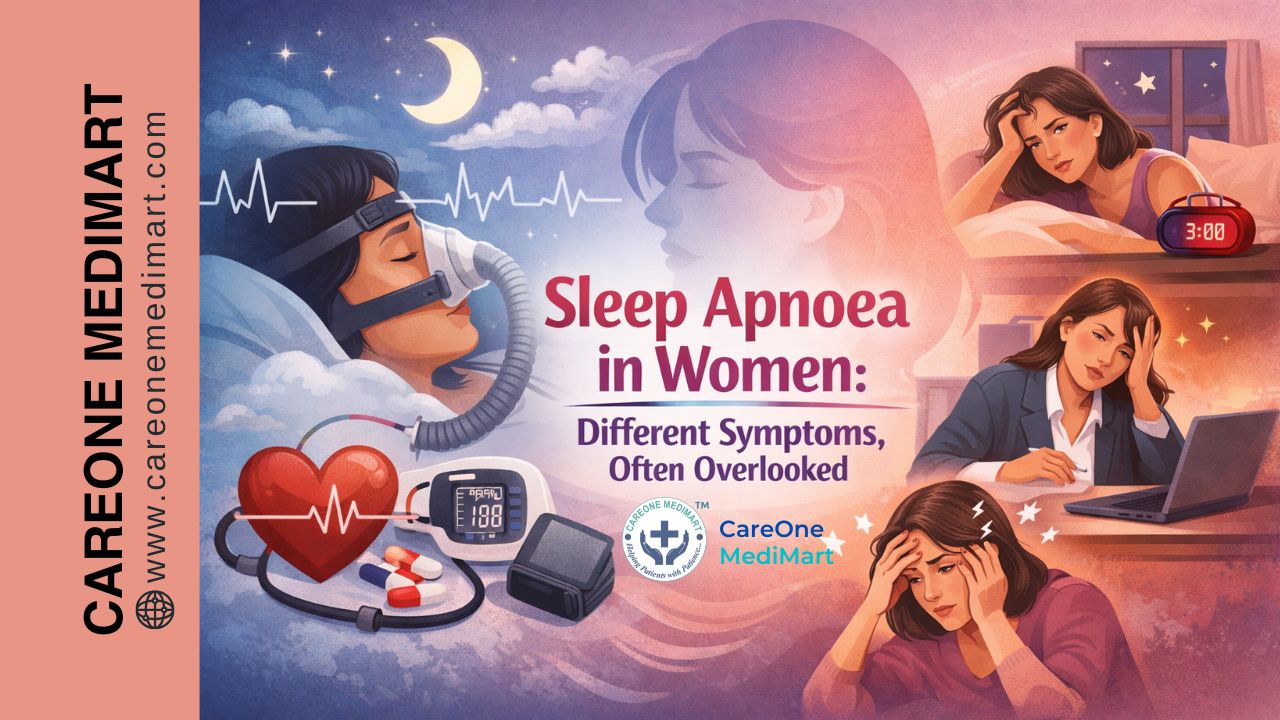
International Women’s Day is a time to celebrate women’s achievements and highlight under-recognised health issues. Sleep apnoea, long considered mainly a man’s condition, is now seen as a serious concern for women. Women’s symptoms often differ from men’s, leading to misdiagnosis, underdiagnosis, and delayed treatment.
When women speak of fatigue, we must listen not with assumptions, but with curiosity—because behind quiet exhaustion may lie a silent struggle.
What is Sleep Apnoea?
Sleep apnoea is a disorder characterised by repeated pauses in breathing during sleep. The most common form, obstructive sleep apnoea (OSA), occurs when throat muscles intermittently relax and block the airway. These pauses can last from a few seconds to over a minute, disrupting sleep and lowering blood oxygen levels. Left untreated, sleep apnoea increases the risk of hypertension, stroke, diabetes, depression, and even premature death.
People have traditionally linked sleep apnoea with middle-aged, overweight men who snore loudly. This stereotype shapes both public perception and medical practice, often disadvantaging women.
Gender Differences in Symptoms
While men frequently present with loud snoring, witnessed apnoea episodes, and excessive daytime sleepiness, women’s symptoms are often subtler and more varied. Research shows that women are more likely to report:
- Insomnia or restless sleep, rather than loud snoring.
- Morning headaches or migraines.
- Fatigue and low energy, rather than falling asleep during the day.
- Mood disturbances such as anxiety, irritability, or depression.
- Weight fluctuations are linked to hormonal changes.
This divergence often leads people to mistake women’s sleep apnoea for stress, menopause-related issues, or psychiatric conditions. As a result, healthcare providers refer women for sleep studies less frequently, and when they do, the diagnosis often occurs late.
Case Study: The Hidden Struggle
Consider the case of Anita, a 42-year-old professional who complained of chronic fatigue, difficulty concentrating, and frequent headaches. Her GP initially attributed her symptoms to stress and perimenopause. Only after years of worsening health and a referral to a sleep clinic was she diagnosed with moderate obstructive sleep apnoea. By then, she had developed high blood pressure and struggled with depression. Anita’s story is not unique—it reflects a broader pattern in which women’s symptoms are overlooked or misinterpreted.
Statistics That Tell the Story
- Studies show that up to 93% of women with moderate to severe sleep apnoea remain undiagnosed, compared with 82% of men.
- Women are twice as likely as men to receive a depression misdiagnosis before clinicians consider sleep apnoea.
- In clinical settings, women often report insomnia complaints, prompting doctors to prescribe sleep aids instead of investigating underlying apnoea.
- Post-menopausal women face a significantly higher risk because of hormonal changes, but many remain unaware.
These figures urgently call for gender-sensitive diagnostic criteria and greater awareness among healthcare providers.
Cultural Context: Why Women’s Symptoms Are Overlooked
Cultural expectations shape how people perceive women’s health issues. Many societies expect women to juggle work, childcare, and household management, making fatigue and stress seem normal. When women complain of tiredness or poor sleep, many downplay these as part of a busy lifestyle rather than recognising them as potential medical conditions.
Moreover, both medical literature and public awareness campaigns continue to stereotype sleep apnoea as a male problem. This bias keeps women from considering sleep apnoea as a possible explanation for their symptoms, delaying their pursuit of medical help.
The Consequences of Misdiagnosis
The impact of underdiagnosis in women is profound:
- Cardiovascular risk: Women with untreated sleep apnoea are more likely to develop hypertension, heart disease, and stroke.
- Mental health burden: Anxiety and depression are more prevalent among women with undiagnosed sleep apnoea.
- Chronic fatigue and poor concentration reduce quality of life, affecting professional performance and personal relationships.
- Pregnancy complications:Sleep apnoea during pregnancy is linked to gestational diabetes, pre-eclampsia, and poor foetal outcomes. These serious consequences demonstrate why targeted awareness is essential.
Raising Awareness on International Women’s Day
International Women’s Day provides a platform to challenge stereotypes and advocate for better health outcomes. Key actions include:
- Educating healthcare providers to recognise the broader symptom profile in women.
- Encourage women to track their sleep symptoms and seek specialist advice.
- Promote gender-specific research to refine diagnostic tools and treatment approaches.
- Run public awareness campaigns to highlight sleep apnoea as a women’s health issue, not just a men’s issue.
Treatment Options for Women
Once diagnosed, women benefit from the same range of treatments as men, though adherence and outcomes can vary.
- Continuous Positive Airway Pressure (CPAP): The gold standard treatment, though women may require lower pressure settings.
- Oral appliances: Useful for mild to moderate cases, particularly for women who struggle with CPAP.
- Lifestyle changes: weight management, reduced alcohol intake, and improved sleep hygiene.
- Hormonal considerations: Addressing menopause-related changes may improve symptoms.
Looking Ahead: A Call to Action
Sleep apnoea in women poses a hidden epidemic. On International Women’s Day, we must recognise that gender differences in symptoms are central to improving diagnosis and treatment. We can challenge stereotypes, support research, and empower women to advocate for their health, ensuring that no one overlooks sleep apnoea in half the population.